
When it comes to choosing the right heating system for your home in Kent, understanding the differences between gas vs oil boilers Kent is essential. Gas boilers connected to the mains gas supply or gas grid tend to have lower upfront costs, higher heat output, and can provide hot water efficiently, while modern condensing gas boilers are energy-efficient, reduce your carbon footprint, and can be paired with underfloor heating. In contrast, oil boilers and modern oil boilers are ideal for rural homes or properties not connected to mains gas, with on-site fuel storage in oil tanks or LPG tanks and the ability to deliver high heat output even in remote locations. Comparing oil and gas boilers involves factors like energy efficiency, installation costs, heating performance, environmental impact, and ongoing energy bills, as well as proper maintenance and regular servicing. Choosing the right boiler, whether gas or oil, ensures cost savings, usable heat, and a reliable, comfortable home heating system while helping to lower carbon emissions.
How Do Gas Boilers Work? Expert Heating Guide for Homes
Gas boilers are one of the most common and reliable heating solutions for homes and businesses across the UK. They use natural gas, supplied through underground pipelines, to heat water. Once heated, this water is circulated throughout the property via radiators or underfloor heating systems, providing consistent warmth in every room. Modern condensing gas boilers are particularly energy-efficient, as they recover heat from flue gases that would otherwise escape, reducing overall energy consumption and helping to lower heating bills.
Types of Gas Boilers
There are several types of gas boilers, each designed to meet specific heating and hot water needs:
Combi Boilers – Combi (combination) boilers provide both heating and hot water on demand, without the need for a separate hot water cylinder. This makes them ideal for smaller homes or apartments where space is limited.
System Boilers – System boilers require a separate hot water cylinder but are more suitable for larger homes with multiple bathrooms. They offer higher water flow rates, ensuring that hot water is available to several taps at once without compromising heating performance.
Regular Boilers – Also known as traditional or conventional boilers, regular boilers need both a hot water cylinder and a cold water storage tank. They are suitable for older homes with existing plumbing systems and offer reliable heating for properties with higher hot water demands.
Benefits of Gas Boilers
Gas boilers offer several advantages for homeowners and landlords:
- Quick Response Times – They heat water almost instantly, ensuring your home reaches a comfortable temperature quickly.
- Consistent Heat Distribution – Water is evenly circulated through radiators or underfloor heating systems for uniform warmth.
- Lower Running Costs – Compared to oil systems, gas boilers are generally cheaper to run due to the affordability of natural gas.
- Compact Design – Modern boilers are compact and require minimal space, as natural gas is delivered continuously through mains supply, eliminating the need for on-site fuel storage.
If your boiler shows any fault codes, such as the common L2 error, it’s important to understand what it means and how to resolve it safely. You can read our full guide on L2 means on a boiler and how to fix it to prevent heating disruptions and maintain your system’s efficiency.
Whether you are upgrading an older heating system or installing a new boiler, gas boilers remain a popular choice for energy-efficient and reliable home heating. Choosing the right type of boiler for your property ensures optimal performance, comfort, and long-term savings.
How Oil Boilers Work: A Complete Guide for Home Heating
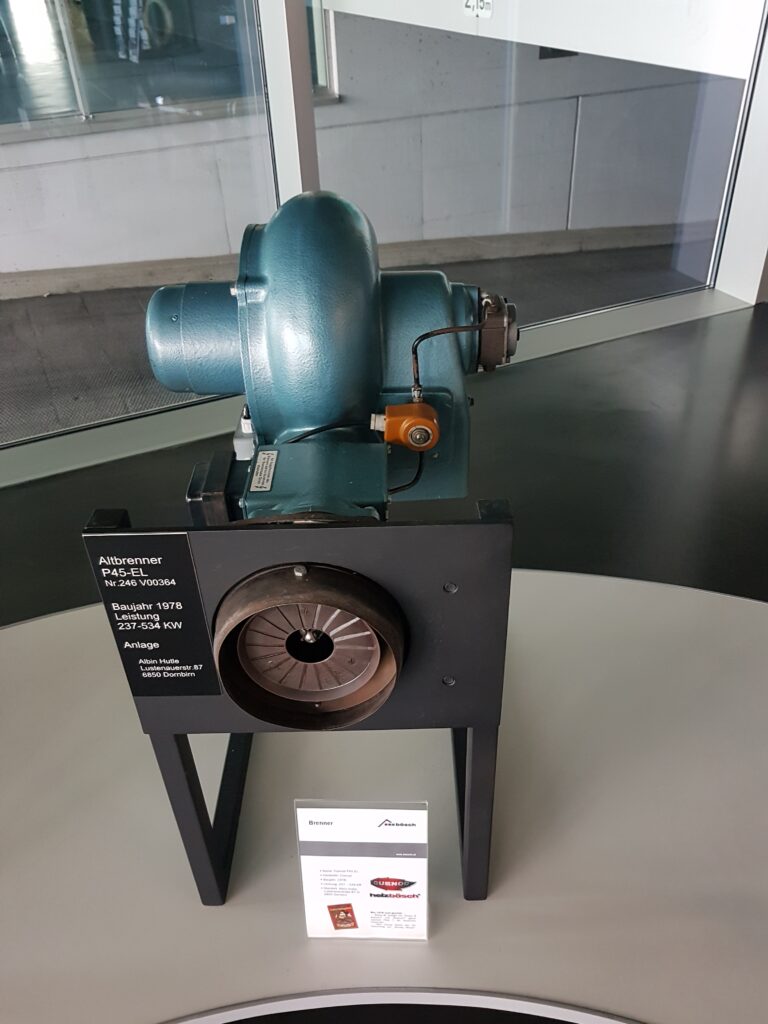
Oil boilers are a reliable and efficient heating solution, especially for rural homes or areas where mains gas is unavailable. They operate by burning heating oil stored in an on-site tank. When the oil combusts in the boiler, it generates heat, which is then transferred to water. This heated water circulates through radiators or underfloor heating systems, ensuring your home stays warm and comfortable throughout the colder months.
Modern oil boilers are designed for high efficiency, with some models reaching up to 97%. Unlike gas boilers, they require a dedicated fuel storage tank, which must be maintained regularly and refilled when needed. Proper installation and upkeep of the tank are crucial, including following safety regulations, maintaining appropriate distance from buildings, and implementing containment measures to prevent leaks.
Types of Oil Boilers
There are several types of oil boilers to suit different household needs:
Combi Oil Boilers – Combi (combination) oil boilers provide both heating and hot water on demand without the need for a separate hot water cylinder. They are ideal for smaller homes where space is limited, offering a compact and efficient solution.
System Oil Boilers – System boilers work alongside a hot water cylinder to provide a consistent and reliable supply of hot water. They are better suited for larger homes or properties with multiple bathrooms, ensuring that several taps can be used simultaneously without a drop in water pressure.
Regular Oil Boilers – Also known as traditional oil boilers, these systems require separate tanks for hot and cold water. Regular oil boilers are common in older properties with existing plumbing systems and can deliver reliable heating and hot water for homes with higher demands.
Benefits of Oil Boilers
Oil boilers provide several advantages, particularly for off-grid or rural properties:
- Reliable Heating – Oil boilers can function independently of mains gas supply, making them ideal for remote locations.
- High Efficiency – Modern models offer energy-efficient performance, which can reduce fuel consumption and lower heating costs.
- Versatile Installation – With different types of boilers available, oil heating systems can be tailored to meet the size and needs of your property.
- Long-Term Performance – With proper maintenance and fuel management, oil boilers offer long-lasting reliability and comfort.
Choosing the right type of oil boiler depends on your home’s size, hot water demand, and available fuel storage space. Whether upgrading an older system or installing a new setup, oil boilers remain a dependable choice for energy-efficient home heating.
Gas Boilers vs Oil Boilers: Key Differences, Pros, and Cons
| Feature | Gas Boilers | Oil Boilers |
|---|---|---|
| Fuel Source | Natural gas supplied via mains pipelines | Heating oil stored in an on-site tank |
| Efficiency | Modern condensing boilers up to ~95% | Modern boilers up to ~97% |
| Installation Areas | Ideal for urban/suburban homes with gas supply | Ideal for rural/off-grid homes without gas supply |
| Hot Water Supply | Combi, system, or regular options | Combi, system, or regular options |
| Running Costs | Generally lower due to cheaper gas | Slightly higher; fuel must be delivered and stored |
| Storage Requirements | No on-site fuel storage needed | Requires a tank and proper maintenance |
| Maintenance | Less complex; fewer storage-related tasks | Requires tank checks, cleaning, and refilling |
| Space Requirements | Compact; minimal space needed | Requires space for both boiler and oil tank |
| Response Time | Quick heating and water availability | Quick heating, but dependent on system size and setup |
| Pros | Low running costs, compact design, continuous fuel supply | High efficiency, reliable off-grid solution, suitable for remote locations |
| Cons | Limited to mains gas areas, cannot be used in off-grid locations | Requires regular tank maintenance, fuel delivery logistics, higher running costs |
Cost Considerations for Gas and Oil Boilers
When deciding between a gas boiler and an oil boiler, it’s important to consider the full cost picture — from installation to running expenses and long-term maintenance. Understanding these factors helps homeowners make an informed choice based on budget, property type, and heating needs.
Installation Costs
The initial cost of a boiler can vary depending on the type, size, and complexity of installation. Gas boilers typically cost between £2,000–£3,500, with combi boilers generally on the lower end and system or regular boilers at the higher end.
Oil boilers are slightly more expensive due to additional requirements such as a fuel storage tank and associated safety measures. Installation costs usually range from £3,000–£5,000, depending on the size of the tank and the property’s hot water demand.
Running Costs
Fuel costs play a significant role in ongoing expenses. Gas is generally cheaper per kWh than oil, which often results in lower annual heating bills for properties connected to the mains gas network. Oil prices can be more volatile, so homeowners need to factor in seasonal price fluctuations and potential delivery costs.
Servicing Costs
Regular servicing is essential for both gas and oil boilers to maintain efficiency, ensure safety, and extend lifespan. Gas boiler servicing typically costs £70–£120 per year, while oil boiler servicing can be slightly higher at £100–£150, partly due to the need for additional inspections of the fuel tank and associated components.
Lifespan
The expected lifespan of a boiler can influence long-term costs. Gas boilers generally last 10–15 years, while oil boilers can last 15–25 years with proper maintenance. For off-grid or rural properties, the longer lifespan of an oil boiler can help offset the higher upfront installation costs.
By weighing installation, running, and maintenance costs, homeowners can choose a heating solution that offers both comfort and value for money. Whether you opt for a gas boiler or an oil boiler, careful planning ensures efficient heating and long-term peace of mind.
Environmental Impact of Gas and Oil Boilers
When choosing a heating system, it’s important to consider not only cost and efficiency but also environmental impact. Gas boilers are generally considered cleaner-burning than oil boilers. Natural gas produces lower levels of carbon dioxide (CO₂) and particulate matter compared to oil, making gas boilers a more environmentally friendly option for homeowners looking to reduce their carbon footprint. Modern condensing gas boilers further improve efficiency by capturing heat from flue gases that would otherwise be wasted, reducing fuel consumption and emissions.
In contrast, oil boilers, while highly reliable and effective for off-grid or rural properties, tend to produce higher emissions. Burning heating oil releases more CO₂, nitrogen oxides, and particulate matter, which can contribute to local air pollution. This is an important consideration for environmentally conscious homeowners, particularly in areas with air quality concerns.
There are ways to mitigate the environmental impact of oil boilers. Homeowners can choose low-sulphur heating oil, which burns cleaner and reduces harmful emissions. Additionally, combining oil heating with carbon offset schemes can help balance out the environmental footprint. Regular maintenance of oil boilers also ensures optimal combustion efficiency, which lowers fuel use and reduces emissions over time.
Ultimately, both gas and oil boilers can provide reliable home heating, but gas boilers typically offer a cleaner and more sustainable solution. For homeowners prioritising environmental impact, gas boilers are often the preferable choice, especially when paired with modern energy-saving technologies such as programmable thermostats, smart heating controls, and high-efficiency radiators. Oil boilers remain a practical choice for homes without access to mains gas, but incorporating efficiency measures and cleaner fuel options can help reduce their environmental footprint.
Ready to Install a Gas or Oil Boiler in Kent? Contact Evo Flow Heating

If you’re in Kent and looking for expert heating solutions, Evo Flow Heating is a trusted choice. With over 40 years of experience, they provide professional installation, servicing, and repair for a wide range of heating systems — from gas and oil boilers to heat pumps, underfloor heating, and bespoke system designs.
Their tailored heating solutions are designed to deliver maximum efficiency, long-term reliability, and reduced energy costs. Whether it’s a small home upgrade or a complex commercial project, they ensure every property remains warm, comfortable, and energy-smart all year round.
Why Choose Evo Flow Heating?
- Trusted Expertise – Gas Safe engineers delivering fast, reliable service for homeowners and landlords.
- Comprehensive Services – Covering everything from emergency boiler repairs to full heating installations.
- Local Knowledge – Serving Gravesend, Dartford, Bexleyheath, Sidcup, Bexley, Kent, Medway, South East London, Welling, Gillingham, Rochester, Chatham, Swanley, and surrounding areas.
- Energy-Efficient Solutions – High-efficiency gas and oil boilers, heat pumps, and underfloor heating systems.
- Transparent Pricing & Project Management – Fixed budgets, firm deadlines, and hassle-free service.
Whether you’re upgrading an old boiler, switching from oil to gas, or installing a brand-new heating system, Evo Flow Heating ensures every project is handled with precision, professionalism, and attention to detail.
Book Your Boiler Installation or Service Today: Schedule Your Appointment Here