
Your boiler is the heart of your home’s heating system, keeping your living space warm and comfortable year-round. One key factor that ensures it runs safely and efficiently is boiler pressure. Simply put, boiler pressure measures the force of water circulating through your heating system. If it’s too low, your radiators won’t heat properly; too high, and you could risk damage to your boiler or pipes.
For most domestic boilers, the ideal pressure is between 1 and 1.5 bar when cold and can safely rise to 2–2.5 bar when the heating is on. Pressures beyond this range are considered high and can lead to problems such as leaks, burst pipes, boiler malfunctions, reduced efficiency, or even safety hazards if left unchecked.
In this guide, we’ll walk you through how to identify high boiler pressure, understand its causes, and provide practical, safe steps for fixing it. Whether you’re a first-time homeowner or simply want to maintain your heating system properly, these tips will help you keep your boiler running smoothly and safely.
Understanding Boiler Pressure: Causes, Signs of High Pressure & Safe Limits for Home Boilers
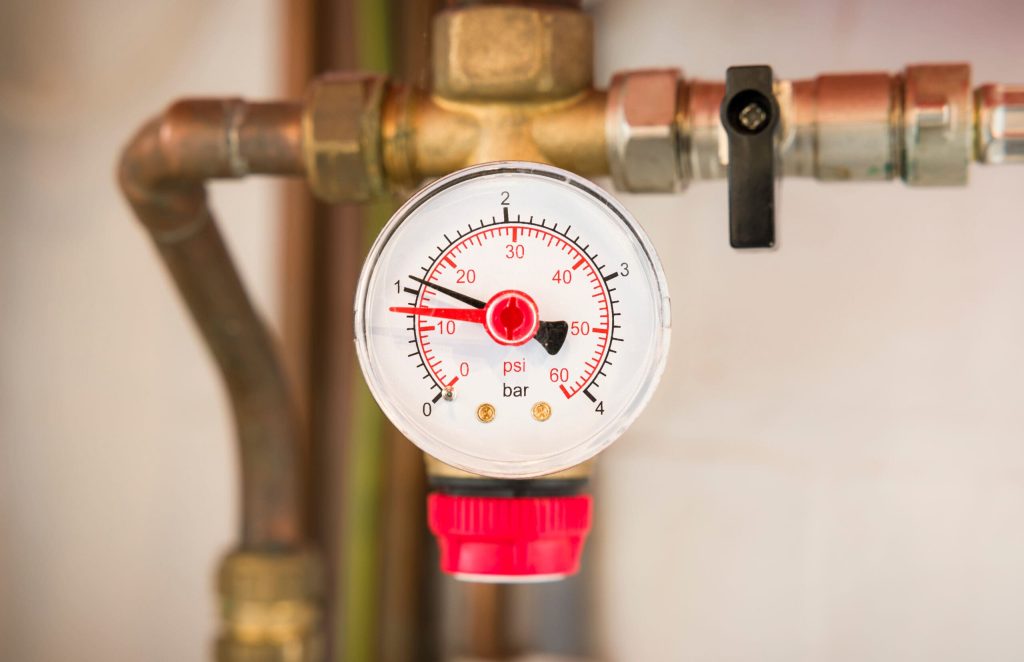
Boiler pressure is a crucial part of your home heating system. It refers to the water pressure inside a sealed central heating system, which allows water to circulate efficiently through your radiators and heating pipes. Proper boiler pressure ensures your system heats your home evenly while preventing damage to the boiler or pipes.
Why Boiler Pressure Rises
Several factors can cause boiler pressure to increase beyond safe limits:
- Thermal Expansion: As water heats up, it expands. Normally, your system accommodates this, but if the expansion vessel is faulty, pressure can rise dangerously.
- Overfilling: Adding too much water to your system during maintenance can push pressure beyond the safe range.
- Faulty Components: Problems with the pressure relief valve or expansion vessel often lead to high pressure.
- Trapped Air: Air pockets in the system can create pressure spikes and reduce heating efficiency.
Normal vs. High Boiler Pressure
Most domestic boilers operate safely between 1–1.5 bar when cold and up to 2–2.5 bar when heating. Anything above 3 bar is considered high and can put unnecessary stress on your boiler and heating system.
High pressure can cause:
- Leaks around valves and pipe joints
- Unusual noises from radiators or pipes
- Radiators not heating correctly
- Boiler locking out as a safety precaution
Signs Your Boiler Pressure Is Too High
Homeowners should watch for these common warning signs:
- The pressure gauge is in the red zone
- Leaking valves or pipes around the boiler
- Hissing or banging noises from radiators or pipes
- Boiler shuts down unexpectedly
By understanding boiler pressure, its causes, and the warning signs, you can act quickly to prevent damage and maintain a safe, efficient heating system.
Safety Precautions Before Fixing High Boiler Pressure: Essential Tips for Homeowners
Before attempting to fix high boiler pressure, safety should always come first. Working on a boiler without proper precautions can lead to personal injury or serious damage to your heating system. Here are the key steps every homeowner should follow:
1. Turn Off the Boiler
Always switch off your boiler before making any adjustments. This prevents accidental burns, electrical hazards, or further pressure spikes. A powered-down boiler ensures a safer working environment.
2. Allow Cooling
Never attempt to adjust pressure while the boiler is hot. Wait for the system to cool down, as hot water or steam can cause severe burns. Patience here is critical for your safety.
3. Check the Boiler Manual
Your boiler’s manual provides manufacturer-specific instructions on pressure limits, valve locations, and maintenance guidelines. Consulting it ensures you follow the correct procedures and avoid voiding warranties.
4. Wear Protective Gear
Use safety gloves and eyewear when handling boiler components. This protects your hands and eyes from accidental contact with hot surfaces, water, or debris.
5. Know When to Call a Professional
Some boiler issues carry a high risk of damage or personal injury. If you notice persistent pressure spikes, leaks, or faulty components, it’s best to call a qualified engineer. For expert help, check out our professional Gas Boiler Services to ensure safe and reliable repairs.
Common Causes of High Boiler Pressure: How to Spot Problems
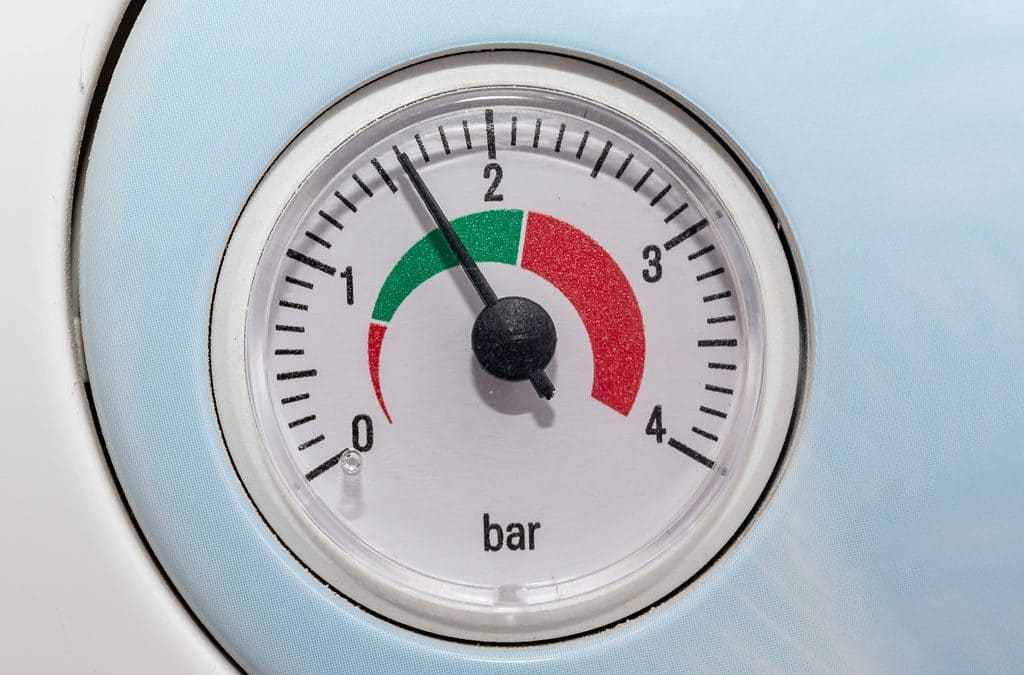
High boiler pressure is a frequent issue in domestic heating systems, and it can cause leaks, radiator problems, or even boiler shutdowns if not addressed. Understanding the main causes can help homeowners prevent issues and maintain a safe, efficient system.
One of the most common reasons for high pressure is an overfilled system. When too much water is added during maintenance, the boiler struggles to cope, causing the pressure to spike. This can stress pipes and other components, potentially leading to leaks or damage.
- Overfilled system – Adding excess water during top-ups or maintenance increases pressure beyond safe levels.
Faulty components are another frequent culprit. For example, a pressure relief valve that fails to release excess water can allow pressure to build up, while problems with the expansion vessel—such as being waterlogged or ruptured—prevent it from absorbing natural pressure changes.
- Faulty pressure relief valve – Valve fails to release excess pressure, causing dangerous buildup.
- Expansion vessel problems – Waterlogged or ruptured vessels can’t absorb pressure changes from heating water.
Even normal processes like thermal expansion can temporarily raise boiler pressure. As water heats up, it expands, and in a closed system, this can push pressure higher than usual. If the system is already slightly overfilled or components are worn, this natural increase can trigger high-pressure warnings.
- Thermal expansion – Natural increase in pressure as water heats, especially in closed systems.
Other factors include airlocks or sludge trapped in the pipes, which create pressure imbalances in certain areas, and incorrect filling during DIY maintenance, which can inadvertently push pressure above safe limits.
- Airlocks or sludge – Blockages causing uneven pressure distribution in the system.
- Incorrect filling – DIY mistakes when topping up the system may raise pressure unnecessarily.
By recognizing these common causes, homeowners can take proactive steps to prevent high boiler pressure, protect their heating system, and avoid costly repairs.
How to Check Boiler Pressure: A Simple Guide for Homeowners
Keeping an eye on your boiler pressure is key to maintaining a safe and efficient heating system. Regular checks help you spot issues early and prevent damage to your boiler or pipes. Here’s how to do it safely and effectively.
The first step is to locate the pressure gauge. Most boilers have a gauge on the front panel, usually marked with numbers from 0 to 4 bar. This gauge shows the current pressure in your heating system.
- Locate the pressure gauge – Typically found on the front of your boiler for easy access.
Next, it’s important to understand the reading. The gauge needle should ideally sit between 1 and 1.5 bar when the system is cold. When the heating is on, it can rise safely up to 2–2.5 bar. Readings above this range indicate high pressure, while readings below 1 bar suggest low pressure that may affect heating performance. If your gauge keeps falling instead of rising, read why a boiler keeps losing pressure.
- Reading the gauge – Cold: 1–1.5 bar | Heating: 2–2.5 bar.
Remember, cold vs. hot readings differ naturally due to thermal expansion. Water expands as it heats, so it’s normal to see a temporary increase when the boiler is running. This is why it’s important to check pressure both when the system is off and during operation to get a clear picture.
- Cold vs. hot readings – Expect slightly higher pressure when the boiler is running; only sustained high readings are a concern.
Finally, monitoring pressure over time can help detect trends or recurring issues. Logging daily or weekly readings allows you to notice gradual increases or sudden spikes, which may indicate leaks, faulty valves, or other system problems.
- Monitoring over time – Keep a simple log to track pressure changes and identify potential issues early.
Step-by-Step Solutions to Reduce High Boiler Pressure
High boiler pressure can cause leaks, radiator problems, or even force your boiler to shut down. The good news is that many issues can be resolved with some careful, step-by-step actions. Here’s how homeowners can safely reduce boiler pressure:
a) Bleeding Radiators
Trapped air in your radiators can falsely raise pressure readings, making it appear that your system is over-pressurized. Bleeding radiators releases this trapped air and often brings pressure back into the safe range.
Step-by-step radiator bleeding process:
- Gather tools: radiator key, cloth, and a small container to catch water.
- Start with radiators closest to the boiler and work outwards.
- Turn the valve slowly until you hear air hissing. Once water flows steadily, close the valve.
Safety tips:
- Use a cloth to protect your hands from hot water.
- Be cautious of sudden bursts of water to avoid burns.
b) Draining Water from the System
If pressure remains high after bleeding radiators, draining water from the system can help. This reduces overall system pressure safely.
Step-by-step instructions:
- Isolate the section of the system you plan to drain.
- Open a drain valve and collect water in a suitable container.
- Close the valve once enough water has been released and recheck boiler pressure.
c) Checking and Replacing the Pressure Relief Valve
A faulty pressure relief valve can cause persistent high pressure because it fails to release water.
What to do:
- Look for leaks or constant dripping from the valve.
- Inspect the valve carefully; do not force it open.
- If damaged, call a Gas Safe engineer to replace it safely.
d) Inspecting the Expansion Vessel
The expansion vessel absorbs pressure changes as water heats up. If it becomes waterlogged, your boiler may experience sudden pressure spikes or knocking noises.
Inspection steps:
- Check for unusual pressure fluctuations.
- Tap gently on the vessel—waterlogged vessels feel solid throughout.
- Recharge or replace the vessel if necessary, preferably with professional assistance.
e) Avoiding Overfilling
Finally, overfilling your system is a common cause of high pressure. Correct topping up prevents recurring problems.
Tips for safe topping up:
- Use the filling loop provided by the manufacturer.
- Follow boiler manual instructions carefully.
- After filling, recheck the pressure gauge to ensure it’s within the safe range.
By following these steps—bleeding radiators, draining water, checking valves, inspecting the expansion vessel, and topping up carefully—you can safely reduce high boiler pressure and keep your system running efficiently.
When to Call a Professional and Prevent Future High Boiler Pressure
While many high boiler pressure issues can be resolved with careful DIY steps, there are times when calling a qualified professional is the safest option. Persistent pressure spikes, leaks, or recurring valve issues can indicate underlying problems that require expert attention.
Signs you should call a professional:
- Pressure continues to rise after bleeding radiators or draining water
- Leaks from the pressure relief valve or pipe joints
- Faulty or damaged expansion vessel
- Boiler frequently locking out or showing error codes — our guide to what an L2 fault code means covers the most common one
For homeowners in Kent and surrounding areas, professional engineers can provide safe, reliable repairs and maintenance to prevent further problems. For expert heating solutions, check out our full range of Heating services in uk including gas and oil boiler servicing, installation, and repairs.
Preventing Future High Pressure
To reduce the risk of recurring high boiler pressure:
- Monitor pressure regularly – Keep an eye on your gauge weekly or monthly.
- Schedule routine maintenance – Annual servicing ensures valves, vessels, and other components work correctly.
- Avoid DIY overfilling – Always follow your boiler’s manufacturer instructions when topping up.
- Bleed radiators as needed – Releasing trapped air keeps pressure stable and maintains heating efficiency.
By combining regular monitoring, proper maintenance, and professional support when needed, you can keep your boiler safe, efficient, and long-lasting.