
The L2 fault code on a boiler is a warning that your heating system may be experiencing issues such as low system pressure, circulation problems, or ignition failure. When this happens, your boiler may stop providing hot water or heating as a safety measure. Common causes include a faulty gas valve, frozen condensate pipe, low gas pressure, or a faulty flame sensor. Modern Ideal boilers, including Ideal Logic boilers and other system boilers, display these fault codes on the control panel, helping homeowners identify potential problems quickly.
While simple checks like bleeding radiators or ensuring the system pressure is correct can sometimes resolve the issue, problems related to gas supply, a malfunctioning gas valve, gas meter blockage, or flame sensor failure should always be handled by a Gas Safe registered engineer or qualified heating engineer. Acting promptly ensures your boiler functions efficiently, maintains energy efficiency, reduces energy bills, and avoids costly repairs. Following the manufacturer’s instructions for your boiler helps keep your hot water flowing, your heating system safe, and prevents the L2 fault code from turning into a bigger problem.
What Is a Boiler Error Code?
A boiler error code is a warning displayed on your boiler’s control panel, signaling that something isn’t functioning properly. These codes are designed to pinpoint specific issues, making it easier for you or a heating engineer to diagnose and resolve the problem quickly.
Since each boiler manufacturer has its own set of codes, it’s essential to consult your boiler’s manual to understand the meaning of the code and determine how serious the issue may be.
What is the L2 fault code on the boiler?

The L2 fault code usually means the boiler has gone into lockout mode because it cannot operate safely. This is most often due to low water pressure, circulation issues, or ignition failure. When the code appears, your boiler may stop supplying heat and hot water as a safety precaution. While it sounds alarming, L2 is often triggered by common, fixable issues rather than a serious system failure.
Some of the most common causes include:
- Low water pressure – Often caused by recent radiator bleeding or a slow leak in the system. Learn more about fixing high or low boiler pressure in our guide: How to Fix High Boiler Pressure: Easy Tips for Homeowners.
- Circulation problems – Blocked or faulty pumps can prevent water from flowing properly.
- Airlocks in radiators – Trapped air can disrupt water flow and trigger the fault.
- Ignition or gas supply issues – The boiler may fail to ignite due to gas supply interruptions or blocked flues.
- Faulty sensors or PCB – Rarely, malfunctioning temperature or pressure sensors can falsely trigger L2.
Understanding these causes helps homeowners approach the L2 fault calmly and take safe troubleshooting steps, such as checking water pressure, bleeding radiators, or inspecting the pump. Most issues can be resolved without immediate professional help, but persistent faults should always be checked by a certified engineer.
Common Causes Behind the L2 Boiler Fault
The L2 fault code can appear for several reasons, most of which are related to the boiler’s water pressure, circulation, or ignition system. Understanding these causes helps homeowners troubleshoot safely and can prevent repeated lockouts. While some issues are simple to fix, others may require a certified engineer to ensure safe operation.
The most common causes include:
- Low Water Pressure – A frequent trigger for L2, low water pressure can occur after bleeding radiators, a leak in the system, or natural pressure loss over time.
- Blocked or Faulty Pump – If the pump isn’t circulating water correctly, the boiler may detect a flow issue and enter lockout mode.
- Airlocks in Radiators – Trapped air in radiators can restrict water flow, causing uneven heating and triggering L2.
- Ignition or Gas Supply Problems – L2 can appear if the boiler fails to ignite due to a blocked flue, gas supply interruption, or faulty ignition components.
- Faulty Sensors or Electrical Components – Occasionally, temperature or pressure sensors, or the PCB, may malfunction, falsely signaling an L2 fault.
If you’re considering upgrades or improvements to your heating system, including switching to more efficient options, it’s worth exploring professional services like heat pump installation and maintenance. These solutions can help prevent recurring boiler issues and improve overall home heating efficiency.
Step-by-Step Process to Fix L2 Boiler Error
When the L2 fault code appears, it’s important to approach the problem safely and systematically. Start by turning off the boiler and waiting for the system to cool down to prevent any accidents. Once safe, you can begin checking the common causes of the fault.
Follow these steps to troubleshoot and fix the L2 error:
- Check the Water Pressure – Locate the pressure gauge and ensure it is between 1 and 1.5 bar. If it’s low, carefully use the filling loop to increase the pressure to the recommended range.
- Bleed Radiators – Trapped air can block water flow, so use a radiator key to release air until water flows smoothly. After bleeding, recheck the system pressure.
- Inspect the Pump – Listen for unusual noises and make sure the pump is circulating water correctly. Blocked or faulty pumps can trigger the L2 code.
- Check Gas Supply and Ignition – Ensure the gas supply is turned on and unobstructed. Do not attempt to fix ignition or flue problems yourself; leave these to a licensed engineer.
- Reset the Boiler – Press the reset button on your boiler after completing the above checks. If the issue was minor, the L2 code should clear.
- Monitor Performance – Turn the boiler back on and observe heating and hot water output. If the L2 fault returns, it may indicate a more serious issue.
- Call a Certified Engineer if Needed – Persistent L2 faults, gas issues, or suspected electrical problems should always be handled by a professional to ensure safety and correct repair.
By following this step-by-step process, many common L2 issues can be resolved without immediate professional help. However, when in doubt, always prioritize safety and consult a certified boiler engineer.
When Should I Replace My Boiler?
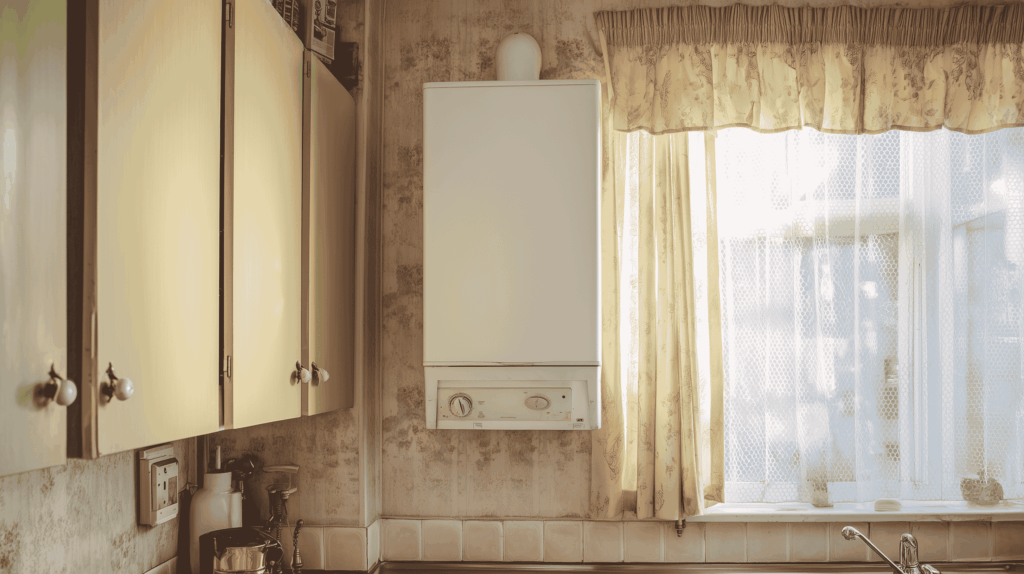
While modern boilers are designed to last many years, they aren’t indestructible. Knowing when it’s time to replace your boiler can save you from costly emergency repairs, unexpected breakdowns, and higher energy bills.
Frequent Breakdowns and Repairs: If your boiler is constantly needing repairs or showing repeated error codes like L2, it may be more cost-effective to invest in a new system rather than continuing to fix an aging unit.
Age of the Boiler: Most boilers have a lifespan of 10–15 years. If your boiler is approaching or has surpassed this age range, it may struggle to operate efficiently, even if it hasn’t failed completely.
Rising Energy Costs: Older boilers often consume more energy to provide the same level of heating, which can result in noticeably higher gas or electricity bills. A newer, energy-efficient model can help reduce running costs.
Leaks or Corrosion: Visible signs of wear, such as leaks, rust, or corrosion, indicate that the boiler’s components may be failing. Continuing to operate a compromised boiler can be unsafe and may lead to serious damage to your home’s heating system.
Inconsistent Heating or Hot Water: If your boiler struggles to maintain consistent temperature or pressure, or if your radiators and taps fail to heat properly, it could be a sign that the system is no longer capable of meeting your household’s needs.
Noisy Operation: Unusual banging, clanging, or whistling noises can indicate internal damage or sediment buildup. While some issues can be repaired, persistent noise is often a sign that the boiler is nearing the end of its lifespan.
Professional Assessment: Ultimately, a qualified heating engineer can provide a thorough inspection and advise whether repairing your boiler is practical or if a replacement would be a more reliable and cost-effective solution. Investing in a new boiler can ensure efficient heating, reduce energy bills, and give you peace of mind.
Choose the Right Boiler for Your Home
At Evo Flow Heating, we install the latest high-efficiency boilers from trusted manufacturers, ensuring reliable heating, lower energy bills, and long-term performance. Whether you’re upgrading an old system or installing a new one, we’ll help you find the perfect boiler to meet your home’s heating and hot water needs.
Combi Boilers – Compact and Efficient
Combi (combination) boilers are ideal for homes where space is limited. They provide both central heating and instant hot water without the need for a separate hot water cylinder or cold water tank. Modern combi boilers are highly efficient, often reaching energy ratings of A, and are perfect for smaller properties or apartments. At Evo Flow Heating, we ensure your combi boiler installation is fast and seamless, giving you reliable hot water on demand while saving space and reducing energy consumption.
System Boilers – Perfect for Homes with Multiple Bathrooms
System boilers work with a separate hot water cylinder to supply a consistent flow of hot water. Unlike traditional boilers, they do not require a cold water tank in the loft, making the system cleaner and more efficient. These boilers are excellent for larger homes or properties with multiple bathrooms. Our expert team installs system boilers that deliver steady water pressure, reliable heating, and long-term efficiency, helping families stay comfortable even during peak usage times.
Regular (Conventional) Boilers – Reliable for Older Systems
Regular boilers, also known as heat-only boilers, are ideal for homes with an existing traditional heating setup that includes both a hot water cylinder and a cold water tank. Modern versions of regular boilers are far more energy-efficient than older models, offering improved reliability, reduced running costs, and long-term performance. If you’re replacing an old conventional boiler, Evo Flow Heating will help you select a model that fits seamlessly with your existing setup while providing better efficiency and comfort.
| Boiler Type | How It Works | Key Features | Ideal For | Benefits |
|---|---|---|---|---|
| Combi Boiler | Provides both central heating and instant hot water from a single unit, without a hot water cylinder or cold water tank. | Compact, fast hot water, highly energy-efficient, space-saving. | Smaller homes, apartments, properties with limited space. | Saves space, instant hot water, lower energy bills, easy installation. |
| System Boiler | Works with a separate hot water cylinder to supply consistent hot water; no cold water tank needed. | Steady water pressure, reliable heating, suitable for multiple bathrooms, high efficiency. | Medium to large homes, properties with multiple bathrooms. | Consistent hot water, efficient performance, ideal for family homes, long-term reliability. |
| Regular (Conventional) Boiler | Works with both a hot water cylinder and a cold water tank; traditional setup. | Reliable, compatible with older systems, modern models are energy-efficient, durable. | Homes with existing conventional heating systems, older properties. | Seamless replacement of old boilers, improved efficiency, long-term comfort, reliable heating. |
Frequently Asked Questions
Q1: What does an L2 error code mean on my boiler?
A: An L2 error code indicates a problem with the burner flame. It means the boiler tried to ignite but could not maintain the flame, often caused by low gas pressure, a frozen condensate pipe, or a faulty ignition component.
Q2: Can I fix an L2 error myself?
A: Some L2 errors can be resolved safely at home, such as resetting the boiler, checking for frozen pipes, or ensuring the gas supply is on. Persistent or recurring faults should always be inspected by a Gas Safe engineer.
Q3: How do I reset an L2 error on my boiler?
A: Most boilers have a reset button on the control panel. Press it following the manufacturer’s instructions. If the error returns immediately or repeatedly, contact a professional.
Q4: When should I consider replacing my boiler instead of repairing it?
A: Consider replacement if your boiler is over 10–15 years old, requires frequent repairs, shows recurring L2 faults, or has rising energy bills, leaks, or inconsistent heating.
Q5: What types of boilers can I install as a replacement?
A: Evo Flow Heating offers:
- Combi Boilers: Instant hot water and heating, space-saving.
- System Boilers: Steady hot water, ideal for multiple bathrooms.
- Regular (Conventional) Boilers: Suitable for older homes with traditional setups.
Q6: How long does it take to install a new boiler?
A: Installation typically takes 1–3 days depending on the system type and complexity.
Q7: Are new boilers more energy-efficient?
A: Yes. Modern boilers often have A-rated efficiency, using less fuel, lowering energy bills, and providing consistent heating.
Q8: Is it safe to keep using a boiler showing an L2 fault?
A: No. Persistent L2 errors indicate a serious burner or ignition issue. Turn off the boiler and call a qualified engineer.
Q9: How can I prevent L2 errors in the future?
A: Regular maintenance, annual servicing, checking condensate pipes in winter, ensuring stable gas pressure, and keeping the boiler area clear and ventilated.